
Visa, Vaccines, and Travel Insurance

Visa, Vaccines, and Travel Insurance: Preparing for Tanzania the Smart Way Planning your dream trip to Tanzania? Whether you’re climbing Mount Kilimanjaro, going on safari, or relaxing on the beaches of Zanzibar, preparation is key. Beyond booking your flights and packing your bags, it’s important to get the essentials in order—like your visa, vaccinations, and travel insurance. Journey safely Travel Visa RequirementsVisa Requirements Citizens from most countries—including the US, UK, EU, Canada, Australia, and many others—require a visa to enter Tanzania. Embassy Application (Before You Travel):Visit a Tanzanian embassy or consulate in your country if you prefer in-person processing. Sasatrip Tip: Print and carry a copy of your approved e-Visa when traveling—immigration officers may request a hard copy upon arrival VaccinationsVaccinations Tanzania is a safe travel destination, but certain vaccinations and health precautions are strongly recommended (or required). Required: Yellow Fever: Mandatory if you’re coming from a country where yellow fever is endemic or if you have a long layover in such a country (e.g., Kenya, Ethiopia). Bring your Yellow Fever Certificate. Travel InsuranceTravel Insurance Tanzania is an adventure destination—and even the best-laid plans can run into surprises. Travel insurance protects you against trip cancellations, lost luggage, medical emergencies, and more. Bonus Tips Bonus Tips for a Smooth Arrival Passport must be valid for at least 6 months from your entry date. Carry a printed copy of your itinerary and Sasatrip booking confirmation. Bring at least two passport-sized photos (for visa/ID backup). Notify your bank you’ll be in Tanzania to avoid blocked cards. US dollars are widely accepted for visas, tips, and park fees—bring newer notes (post-2006, crisp bills only).
How Sasatrip Crafts Authentic, Responsible Travel Experiences

How Sasatrip Crafts Authentic, Responsible Travel Experiences At Sasatrip, we believe travel should do more than move you from place to place—it should move you deeply. It should connect you to people, traditions, nature, and purpose. That’s why every journey we design is built around one core philosophy: authenticity with responsibility. Travel Benefits Travel Experiences 1. We Design with Local Voices, Not Just Global Expectations We collaborate directly with local elders, community leaders, artisans, and farmers to ensure that cultural experiences are accurate, meaningful, and mutual. 2. We Go Beyond the Guidebook Most tour operators stick to the “big five” experiences. While we love the Serengeti and Zanzibar, we also guide you to Tanzania’s lesser-known treasures—like: The Usambara Mountains’ rainforest trails and hilltop farms 3. Fairness & Empowerment in Every Step Responsible tourism begins with how we treat our team. Sasatrip ensures that: All porters and mountain staff receive fair wages, proper gear, and meals (we follow KPAP guidelines). 4. Culture is Shared, Not Staged Cultural tourism has too often become a “performance” for tourists. We reject that model. Instead, we co-create cultural exchanges where travelers and locals engage as equals—curious, open, and respectful. 5. Nature is Our Partner, Not Our Playground Tanzania is one of the world’s most biodiverse countries—and it’s our responsibility to help protect it. That’s why Sasatrip: Operates low-impact camping treks with “leave no trace” policies 6. Travel That Feels Like Connection At the end of the day, the most meaningful experiences happen when people connect. Our small-group style and local-first planning mean you’re more than a tourist—you’re a guest, a learner, a friend.
Why Choose a Locally-Owned Tour Operator Like Sasatrip?
Why Choose a Locally-Owned Tour Operator Like Sasatrip? In a world full of global booking platforms and big-name travel agencies, it’s easy to overlook the power and value of choosing a locally-owned tour operator. But when it comes to experiencing Tanzania—its culture, people, wildlife, and landscapes—there’s no better choice than partnering with a company that calls this land home. Here’s why booking with a local company Sasatrip is proudly Tanzanian-owned, operated by passionate local experts who live, work, and breathe East African adventure. 1. Deep Local Knowledge You Can’t Find in a Guidebook Locally-owned companies like Sasatrip don’t just follow the map—we help draw it. Our guides grew up near Mount Kilimanjaro, the Serengeti, the Usambara Mountains, and the spice farms of Zanzibar. 2. You Support the Local Economy—Directly When you book with Sasatrip, your money stays in Tanzania. That means: Jobs for Tanzanian guides, cooks, porters, and drivers Partnerships with local lodges, farms, and artisans 3. Culturally Respectful & Responsible Tourism Locally-owned operators are part of the community. We live here. We raise our families here. That gives us a personal stake in protecting the culture, nature, and future of Tanzania. 4. Flexible, Personalized Itineraries Big tour companies often stick to fixed packages. We offer something better: customization. When you travel with Sasatrip, you can: Combine safari, trekking, cultural, and beach experiences in one trip Adjust pacing based on your energy, budget, or interests 5. Real People, Real Connections When you call or message us, you’re not talking to a call center. You’re speaking directly to the people who will help design and deliver your experience. From your first email to your farewell at the airport, we’re with you every step of the way—offering: 24/7 in-country support 6. We Live Our Mission At Sasatrip, our mission is to share the beauty of Tanzania while empowering the people who make that experience possible. We believe that travel can be both adventurous and ethical—and we’re proud to lead by example. Every trek, tour, and cultural visit we offer is designed to be meaningful, respectful, and enriching for everyone involved—guests, staff, and communities alike. In Summary: Why Sasatrip? 100% Tanzanian-owned and operated Experienced, certified local guides with insider knowledge Strong focus on responsible tourism and fair labor practices Customized itineraries built around your interests Genuine cultural connections and personalized service Your travel dollars directly support local families and economies
Traveling to Tanzania

Traveling to Tanzania Safety Tips and Local Etiquette Safety Tips Tanzania is one of Africa’s top travel destinations—home to Mount Kilimanjaro, the Serengeti, Zanzibar’s pristine beaches, and some of the warmest people you’ll ever meet. But like traveling anywhere in the world, it helps to be informed, respectful, and prepared. Whether you’re on safari, trekking a mountain, or exploring vibrant local markets, these safety tips and cultural etiquette insights will help you enjoy your trip responsibly and confidently. General Safety Tips for Travelers 1. Stay aware of your surroundings Tanzania is generally safe for tourists, but petty theft (like pickpocketing) can occur in crowded areas. Stay alert, especially in major cities like Arusha, Dar es Salaam, and Stone Town. 2. Use registered guides and tour operators Book your safaris, hikes, and cultural visits through reputable companies like Sasatrip. Avoid accepting offers from random individuals on the street. 3. Secure your valuables Use hotel safes and avoid carrying large amounts of cash or flashy jewelry. Keep your passport and travel documents secure and carry a copy when possible. 4. Health precautions Get vaccinations for yellow fever (required if traveling from an endemic area), hepatitis A/B, and typhoid. 5. Road and transport safety Avoid traveling at night between cities due to poor road lighting and animals crossing. 6. Emergency contacts A small river named Duden flows by their place and supplies it with the necessary regelialia. It is a paradise Safari & Mountain- Specific Tips Always follow your guide’s instructions during safaris or hikes. Never approach wild animals or leave the vehicle on game drives. Stay hydrated and listen to your body, especially at high altitudes on Kilimanjaro. Pack layers—nights can be cold, even in hot climates.
A Taste of Tanzania
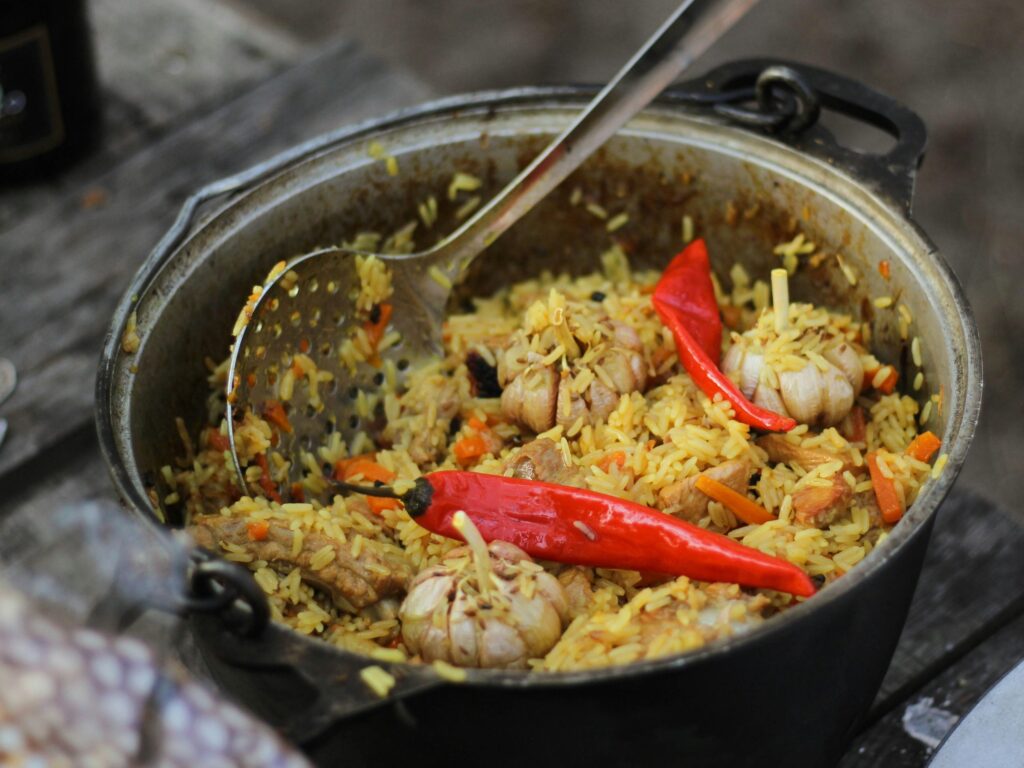
A Taste of Tanzania: Local Foods Every Tourist Should Try One of the most authentic ways to experience Tanzania is through its food. More than just sustenance, Tanzanian cuisine is a rich blend of cultures—African, Arab, Indian, and coastal influences—that tells the story of its people, land, and heritage. Whether you’re dining in a local restaurant, enjoying a village meal, or sampling street food, here are some must-try Tanzanian dishes that will give you a true taste of the country. 1. Ugali – The Staple of Tanzania Ask any Tanzanian what they eat daily, and they’ll likely say ugali. This thick, dough-like porridge is made from maize (corn) flour and water. It’s often served as the base for meat, fish, or vegetable dishes. How to eat it: Use your fingers to pinch off a piece, roll it into a ball, and scoop up sauce or stew. Popular pairings: Sukuma wiki (collard greens), beef stew, or fish curry 2. Nyama Choma – Grilled Meat Nyama choma means “grilled meat” in Swahili and is one of the most beloved foods in Tanzania. Typically made with goat, beef, or chicken, the meat is grilled over an open flame and served with kachumbari (a fresh tomato and onion salad). Where to find it: Roadside grills, local pubs, or nyama choma joints in towns and cities Sasatrip Tip: Ask for “mbavu” (ribs) if you want the most flavorful cut! 3. Samaki wa Kupaka – Coconut Grilled Fish A favorite along the coast and on islands like Zanzibar, this dish features fresh fish marinated in spices and coconut milk, then grilled to perfection. Taste profile: Creamy, spicy, and tangy all in one bite Best served with: Rice, chapati, or a squeeze of lime 4. Chipsi Mayai – The Tanzanian Omelet Chipsi mayai is a comfort food staple—essentially an omelet with French fries cooked into it. It’s popular as a street food snack or quick meal on the go. Where to try: Local food stalls and bus stations Perfect with: A dollop of ketchup or pili pili (chili sauce) 5. Supu ya Ndizi – Green Banana Soup Made with unripe bananas (plantain-style), beef or goat, and sometimes peanuts, this soup is a popular traditional dish in northern Tanzania. Taste: Hearty, savory, and surprisingly filling Where you’ll find it: Arusha and Moshi regions, especially in Chagga households 6. Pilau – Fragrant Rice Dish This spiced rice dish is cooked with meat, potatoes, and a mix of cloves, cinnamon, cardamom, and cumin. It’s often served at weddings, holidays, or special family gatherings. Similar to: Indian biryani, but uniquely East African Sasatrip Tip: Try the local version during a celebration or ask your guide for the best home-cooked pilau spot. 7. Chapati – Flatbread Delight Introduced through Indian influence, Tanzanian chapati is soft, flaky, and slightly oily. It’s eaten with everything—tea, stews, beans, or on its own. Best enjoyed: Fresh off the pan, with a bit of sugar or dipped into beef stew 8. Tangawizi Chai – Ginger Tea A warming and fragrant black tea brewed with fresh ginger (tangawizi), cloves, and milk. Often served at breakfast or after meals. Bonus: Locals believe it helps digestion and wards off colds! 9. Mishkaki – Tanzanian Skewers Mishkaki is Tanzania’s answer to kebabs. Marinated chunks of beef or chicken are grilled and sold by street vendors, especially in the evening. Flavor: Smoky, spicy, and totally addictive Pairs well with: Chapati, salad, or cold soda Ready to Eat Your Way Through Tanzania? Let Sasatrip plan your next adventure with local flavor! From village feasts to beachside bites, we’ll help you discover the dishes, spices, and stories that make Tanzanian cuisine unforgettable. Contact us today!
Experiencing Maasai Culture
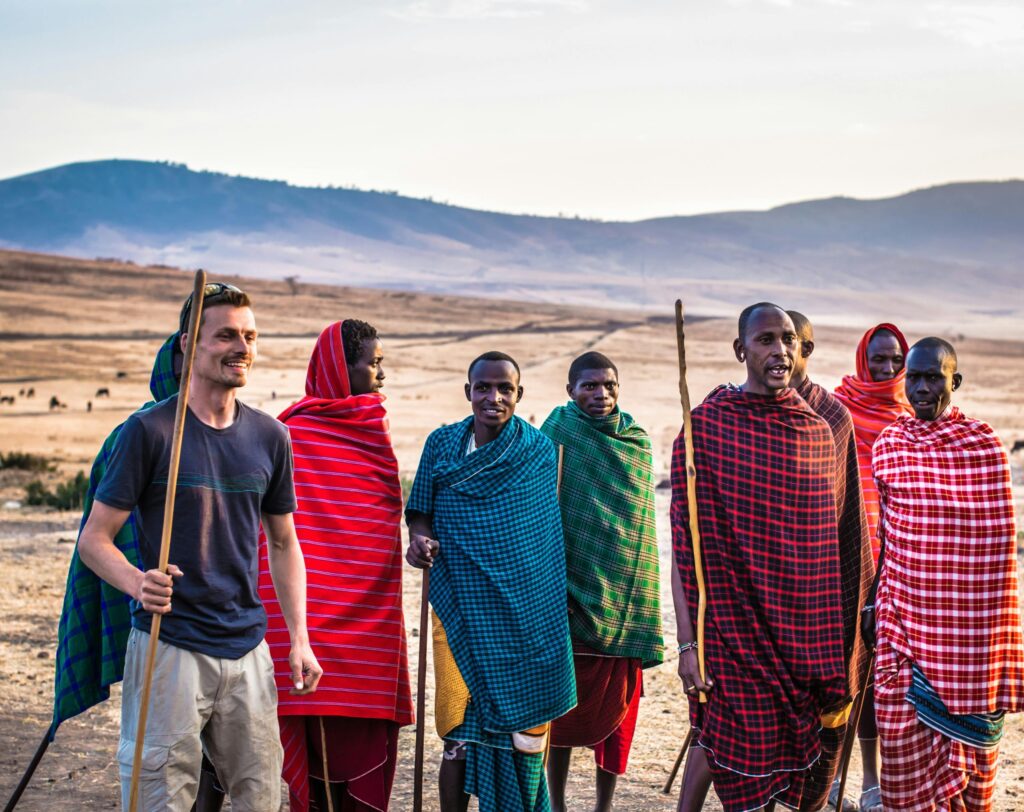
Experiencing Maasai Culture: What’s Real vs. Tourist Show? Maasai Culture The Maasai are among the most iconic and widely recognized cultural groups in East Africa. With their striking red shukas, proud stances, and deep connection to the land, they’ve long captured the imagination of travelers to Tanzania. But in a world where tourism sometimes blurs the line between authenticity and performance, many visitors ask: “Am I experiencing real Maasai culture, or just a show?” At Sasatrip, we value genuine cultural exchange over staged photo ops. Here’s how to respectfully explore Maasai culture while understanding the difference between what’s real and what’s simply curated for tourists. Who Are the Maasai? The Maasai are semi-nomadic pastoralists primarily found in northern Tanzania and southern Kenya. Known for their cattle herding, colorful dress, and warrior traditions, the Maasai have maintained many aspects of their culture despite the pressures of modern development. They speak Maa (a Nilotic language), but many also speak Swahili and some English, especially in communities that engage with tourism. Tourist Show vs. Real Experience: What’s the Difference? Many visitors to Tanzania encounter “cultural bomas”—villages set up along popular safari routes where Maasai people perform dances, demonstrate fire-making, or sell beaded jewelry. While these experiences offer a glimpse into Maasai life, they’re often choreographed and designed to be brief and palatable for passing tourists. That doesn’t make them bad—but it’s important to recognize them for what they are: introductions, not deep dives. How to Experience Real Maasai Culture (Respectfully) At Sasatrip, we collaborate with Maasai-led organizations and villages to ensure our guests experience culture with integrity—not intrusion. Here are ways we make that possible: Visit Working Villages, Not Just Roadside BomasWe take you off the beaten path into Maasai communities that receive fewer tourists and maintain their traditional rhythms of life. Spend Time, Not Just MinutesOur itineraries often include half-day or full-day immersive experiences, giving you time to interact meaningfully. Learn From Local VoicesWe work with Maasai guides who explain their customs in their own words—offering insight into traditions, challenges, and modern adaptations. Ask Respectful QuestionsTopics like marriage, initiation rites, cattle, or education are open for discussion when approached with curiosity and respect. Support, Don’t ExploitWe ensure that hosts are fairly compensated for their time, and we encourage sustainable, community-driven tourism. A Day in the Life: What You Might Experience Participate in morning cattle herding with Maasai youth Learn how to cook ugali or chai over a wood fire Hear elders share oral stories passed down through generations Visit a local school or women’s beadwork collective Witness a real community ceremony (if timing aligns) Dance not for performance, but celebration
10 Swahili Words Every Visitor to Tanzania Should Learn

10 Swahili Words Every Visitor to Tanzania Should Learn Know the language, connect with the land Tanzania is more than just epic safaris and tropical beaches—it’s a land full of warmth, culture, and connection. One of the best ways to show respect and build instant rapport with locals is to learn a few Swahili words. Swahili (or Kiswahili) is the national language of Tanzania and is spoken widely across East Africa. While most people in the tourism industry speak English, using even a handful of Swahili phrases will bring smiles, spark conversations, and open doors to deeper cultural experiences. Here are 10 essential Swahili words and phrases every visitor should learn before arriving in Tanzania. Swahili Words Jambo – “Hello” This is your all-purpose greeting! Friendly and easy to remember, jambo is commonly used by locals when greeting visitors. You’ll hear it everywhere, especially around safari lodges and tourist hubs. Other variations: Mambo? (Informal “What’s up?”) Hujambo? (Singular polite greeting – “How are you?”) Sijambo – “I’m fine” Sasatrip Tip: Say jambo with a smile and you’ll almost always get a big smile back. Asante – “Thank you” A simple and powerful word. It shows appreciation and good manners wherever you go. Asante sana – “Thank you very much” Karibu – “You’re welcome” Whether someone carries your bag, serves your food, or simply helps you find your way, don’t forget to say asante! Karibu – “Welcome” You’ll hear this one a lot, especially when you enter shops, lodges, and homes. Tanzanians are incredibly hospitable, and karibu is an invitation not just into a place, but into community. Bonus: Say “Karibu Tanzania!” to fellow travelers—it means “Welcome to Tanzania!” Hakuna Matata – “No worries” Yes, just like The Lion King! This Swahili phrase is used often and embodies the laid-back spirit of East Africa. Use it when: Things don’t go as planned You want to reassure someone You’re just vibing with the moment It’s a national mood. Pole Pole – “Slowly slowly” This is a phrase you’ll hear often, especially when trekking Kilimanjaro or exploring nature. It’s not just about pace—it’s a philosophy: take your time, breathe, and enjoy the journey. Rafiki – “Friend” Rafiki means friend—and it’s a great way to build connections. Use it casually when talking to locals, kids, or even your guides. Tanzanians appreciate friendliness and openness, and this word captures that beautifully. Ndiyo / Hapana – “Yes / No” Simple, but very handy! Ndiyo – Yes Hapana – No Use them in markets, on safari, or during travel arrangements. It’s also polite to nod or shake your head when using them. Chakula – “Food” Food is a central part of Tanzanian culture. If you remember this word, you’re already halfway to a delicious experience. Bonus words: Chakula kitamu – “Delicious food” Samaki – “Fish” Ugali – Tanzania’s national staple (cornmeal dish) Sasatrip Tip: Ask “Chakula kiko tayari?” – “Is the food ready?” Safari – “Journey” In Swahili, safari doesn’t just mean a wildlife tour—it literally means “a journey.” Whether you’re heading to the Serengeti, the beach, or the top of Kilimanjaro, you’re on a safari. You can say: Safari njema – “Have a good journey” Tupo pamoja – “We are together” A powerful phrase that reflects Tanzania’s communal spirit. It means “we’re in this together” or “we stand united.” You might hear this among guides, porters, or friends working as a team. It’s a beautiful expression of solidarity and harmony. Karibu Tanzania! (Welcome to Tanzania!) Let Sasatrip take you deeper—into the land, the culture, and the language. Ready to explore Tanzania like a local? Contact us today.
Trekking with Purpose
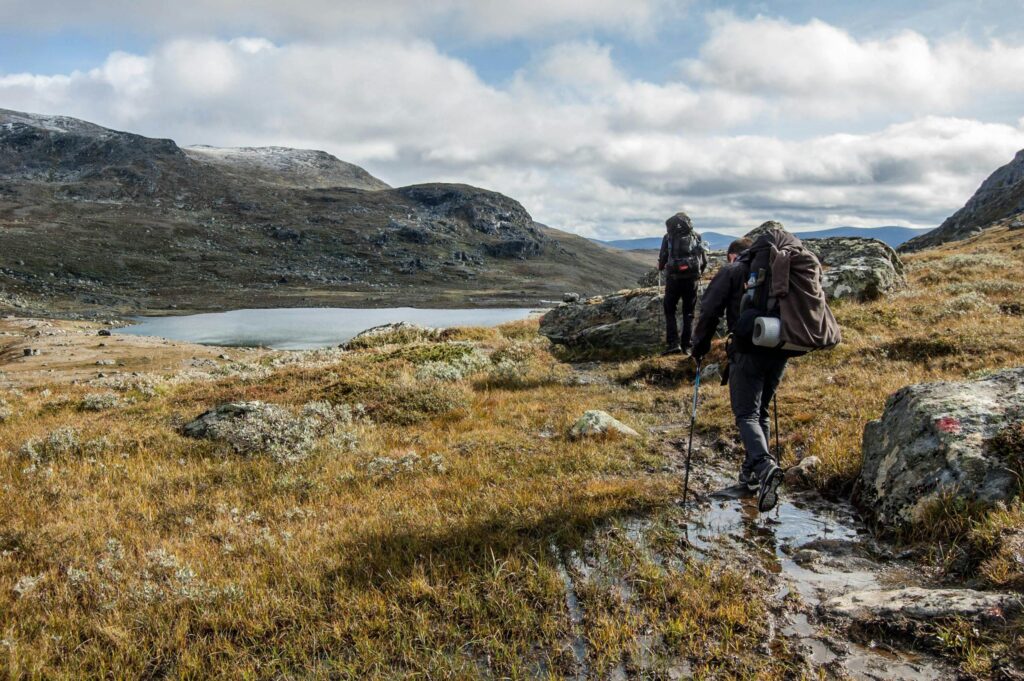
Trekking with Purpose: How Sasatrip Supports Local Guides At Sasatrip, we believe that travel should not only transform the lives of travelers—but also uplift the communities who make the experience possible. Behind every successful summit, every unforgettable safari, and every heartfelt cultural exchange, there are dedicated local guides, porters, and support teams working tirelessly to bring Tanzania’s beauty to life. In this article, we take you behind the scenes to show how Sasatrip empowers local guides, supports fair working conditions, and ensures that every trek leaves a positive impact on the ground. The Heart of Every Journey: Our Local Guides Our guides are not just employees—they are storytellers, teachers, motivators, and safety experts. They’ve grown up on the slopes of Kilimanjaro, walked the Ngorongoro Highlands, and navigated the narrow streets of Stone Town. Their deep knowledge and passion create authentic experiences that no guidebook can match. Sasatrip proudly employs Tanzanian-born guides who are: Certified by Kilimanjaro National Park (KINAPA) and Wilderness First Responders Fluent in English and Swahili, with some speaking German, French, and Spanish Trained in cultural sensitivity, responsible tourism, and customer care We also run internal workshops every year to upgrade skills in navigation, first aid, wildlife tracking, and eco-tourism principles. Fair Wages & Ethical Practices In many parts of the trekking industry, porters and guides are underpaid and overworked. At Sasatrip, we break that mold. We ensure: Above-standard salaries for guides and porters Transparent tipping guidelines for clients to avoid exploitation Fair porter loads—no one carries more than the legal 20 kg limit Three meals a day for all crew members on the mountain Proper clothing and gear (jackets, boots, sleeping bags) provided by the company We proudly follow the guidelines of the Kilimanjaro Porters Assistance Project (KPAP), which promotes ethical treatment for mountain crews. Training the Next Generation Sasatrip reinvests a portion of every booking into training and mentoring programs for young Tanzanians who dream of becoming guides. Through our Sasatrip Guide Academy, we offer: Mountain guide apprenticeships First-aid and altitude sickness response workshops English language classes Environmental conservation training Many of our former porters and cooks have graduated to become certified head guides—proof that empowerment leads to excellence. Supporting Communities, Not Just Treks Our impact goes beyond the trail: We source food and supplies from local markets to support small-scale farmers and vendors. We partner with women’s cooperatives for handmade gifts and souvenirs. We support school supply drives in remote mountain villages and contribute to local education efforts. Travel with Sasatrip isn’t just a trip—it’s a ripple effect of opportunity. — What Our Guides Say “Before Sasatrip, I had no formal training. Now I’m a certified guide, and I’ve led over 100 people to the top of Kilimanjaro.” — Joshua, Lead Guide “When climbers tip fairly and treat us with respect, it motivates us even more. Sasatrip always makes sure we’re looked after.” — Zubeda, Assistant Guide “The best part is when a guest says, ‘I couldn’t have done it without you.’ That’s when you know your job matters.” — Peter, Trekking Porter (in training to become a guide) — Why It Matters Responsible travel isn’t just about carbon footprints—it’s about the human impact of your journey. When you choose Sasatrip, you’re not just trekking with a company. You’re partnering with a movement that values dignity, opportunity, and community.
From the Summit: Real Stories from Kilimanjaro Climbers
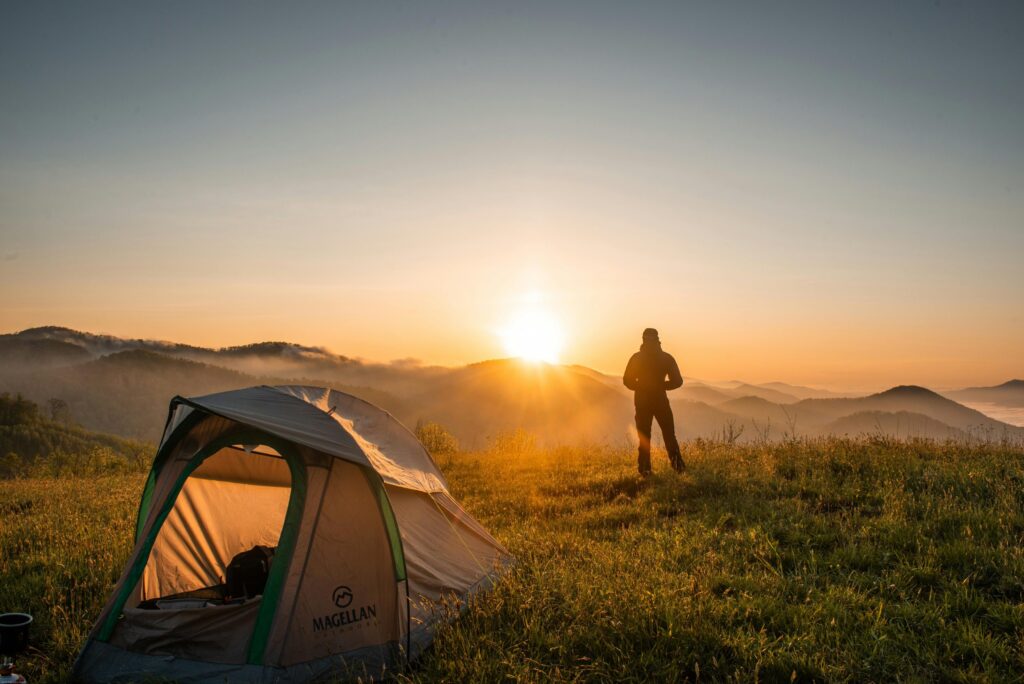
From the Summit: Real Stories from Kilimanjaro Climbers Mount Kilimanjaro isn’t just the tallest peak in Africa—it’s a life-changing experience that pushes physical limits and reveals inner strength. Every climber who reaches the summit walks away with more than just a photo at the Uhuru Peak sign. They return with a story—a story of challenge, courage, and unforgettable moments above the clouds. At Sasatrip, we’ve had the privilege of guiding trekkers from all over the world. Here are some real stories from our climbers that might inspire your own summit journey. 1. The Solo Traveler Who Found Her Tribe “I booked the Lemosho Route through Sasatrip as a solo traveler and was a bit nervous at first. But from the first day, I felt like part of a family. Our group of strangers became a tight team—cheering each other up through altitude headaches and freezing summit mornings. Reaching the top wasn’t just about the view—it was about who I became on the way there. I laughed, I cried, I pushed through. It changed me forever.” 2. A Birthday at 5,895 Meters “My wife and I climbed Kilimanjaro to celebrate my 54th birthday. The team from Sasatrip surprised me with a cake at base camp the night before the summit. Can you imagine? A cake at 4,600 meters! Then, on summit day, I reached Uhuru Peak just after sunrise—on my birthday. That moment? Absolutely surreal. I’ve never felt more alive.” 3. Climbing for a Cause “We climbed Kilimanjaro to raise funds for mental health awareness. Training was hard, but the mountain was even harder. On summit night, we were freezing, exhausted, and unsure if we could do it. But our guides kept singing, encouraging us. When we made it to the top, we held up our banner and cried tears of joy. Every step was worth it.” Sasatrip Tip: We can help you organize custom charity climbs or team-building treks—reach out to get started! 4. A Father-Son Bond Forged in the Clouds “My son and I wanted to do something unforgettable before he moved abroad. Climbing Kilimanjaro with Sasatrip turned out to be more than just a trip—it was a memory we’ll share for life. From swapping stories in our tent to helping each other through tough days, it brought us closer than ever. Reaching the summit hand-in-hand was a moment I’ll carry with me forever.” 5. I Didn’t Think I’d Make It “I’m from Tanzania but had never climbed Kilimanjaro. People assume locals climb it all the time, but it’s not true. Sasatrip helped me plan everything. I thought about quitting at Barafu Camp—but the guides encouraged me, and another climber gave me chocolate and said, ‘We finish together.’ I made it to the top at sunrise. I’ve never felt stronger. Now I proudly say: I am from the land of Kilimanjaro—and I’ve stood on its roof!” Lessons from the Trail Every climber’s journey is different, but the mountain teaches everyone something. Some common takeaways from Sasatrip trekkers: “Slow and steady really does win the race.” “Altitude doesn’t care how fit you are—listen to your body.” “Pack light, drink water, trust your guides.” “The summit is incredible—but the journey is everything.”
Fitness Tips to Prepare for Your Kilimanjaro Ascent
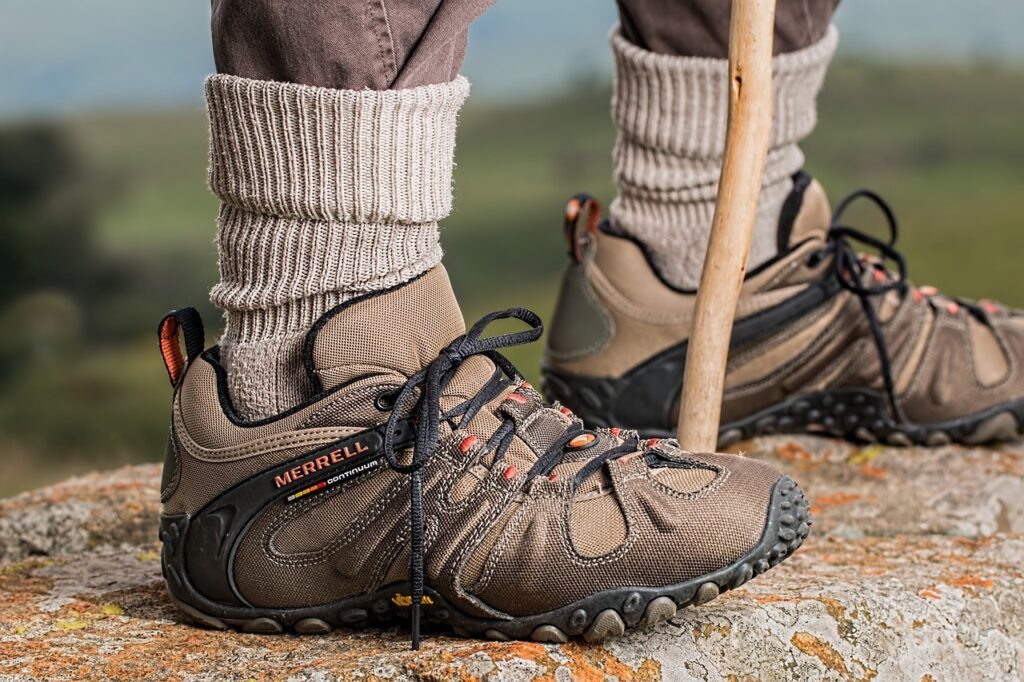
Fitness Tips to Prepare for Your Kilimanjaro Ascent Climbing Mount Kilimanjaro is a life-changing experience but reaching the summit of Africa’s highest mountain isn’t just about willpower. It requires preparation, both mentally and physically. The good news? You don’t have to be an elite athlete to do it. With smart training and the right mindset, almost anyone can conquer the Roof of Africa. In this guide, Sasatrip shares practical, realistic fitness tips to help you get ready for your Kilimanjaro climb—no matter your starting point. 1. Start Training Early (At Least 2–3 Months Before) You don’t need to run marathons, but you do need to build endurance and leg strength. Start preparing at least 8–12 weeks before your trek. Focus on: Long-distance walks or hikes (60–90 minutes, 3–4x per week) Gradually increasing your walking time and elevation gain Practicing on hills, trails, or stairs to simulate mountain terrain Sasatrip Tip: Break in your hiking boots during training to avoid blisters on the trail. 2. Build Cardiovascular Endurance Kilimanjaro’s summit day is long and tiring, especially at high altitudes. Cardio conditioning will help your lungs and stamina. Try these: Brisk walking, hiking, or trail running Swimming, cycling, or elliptical workouts HIIT (high-intensity interval training) 1–2x a week Start slow and build up. Aim for 30–60 minutes of cardio, 4–5 days per week. 3. Strengthen Your Legs & Core You’ll be walking for several hours each day—often uphill, downhill, or on uneven terrain. Strong legs and a stable core are essential. Key exercises to include: Squats and lunges (for thighs and glutes) Step-ups (great for simulating trail conditions) Calf raises (to support your ankles and climbing power) Planks and bridges (to support your back and balance) You don’t need a gym—bodyweight exercises at home work fine! 4. Practice Hiking with a Backpack On Kilimanjaro, you’ll carry a daypack (5–8 kg) with your water, snacks, rain gear, and personal items. Train with this weight to get used to it. What to do: Start with 4–5 kg and increase gradually Hike with your loaded pack 1–2 times per week Adjust your straps to distribute weight evenly Sasatrip Tip: Use your actual daypack during training to get comfortable with the fit and weight. 5. Train Your Breath & Pace Altitude affects your breathing. You’ll need to hike slowly (“pole pole” in Swahili) and take deep, steady breaths. Practice by: Hiking at a controlled, slow pace even when you feel strong Using rhythmic breathing techniques (inhale 2 steps, exhale 2 steps) Adding short breath-hold or elevation mask workouts (optional, not essential) Remember: slow and steady wins the summit. 6. Don’t Forget Mental Fitness The mountain tests more than your muscles. Long days, altitude, and unpredictable weather require patience, positivity, and resilience. How to prepare mentally: Do long, solo hikes to build mental endurance Visualize your summit day—how you’ll push through fatigue and celebrate the top Practice mindfulness or meditation to stay calm and focused You don’t need to be fearless—you just need to keep moving forward. 7. Prepare Your Body for Altitude (As Much As Possible) While you can’t fully simulate high-altitude conditions, these can help: Spend time at higher elevations if possible before your trip Sleep in a tent or at cooler temps to mimic conditions Consider climbing Mount Meru first for acclimatization Talk to your doctor about altitude medication like Diamox if you’re concerned.