
What to Pack for a Tanzanian Safari
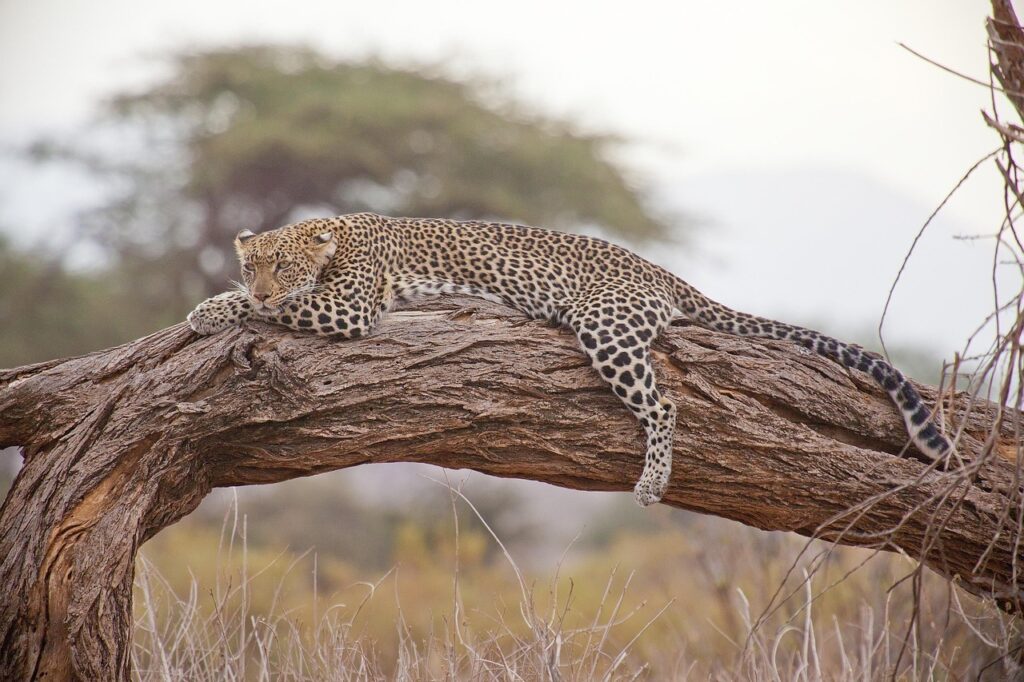
What to Pack for a Tanzanian Safari (And What to Leave Behind) Heading out on a Tanzanian safari is the adventure of a lifetime—but what you pack can make or break your comfort in the bush. Between bumpy game drives, early morning chills, hot afternoons, and the possibility of rain or dust, it’s important to pack smart, not heavy. Here’s your complete safari packing guide—curated by the Sasatrip team to help you travel light, stay comfortable, and focus on spotting lions, elephants, and unforgettable African sunsets. The Safari Essentials These items are must-haves for any Tanzania safari, no matter the season Light Jacket or Fleece _____________Mornings and evenings can be surprisingly chilly, especially in higher altitude areas like Ngorongoro or during the dry season. Light Jacket or Fleece Mornings and evenings can be surprisingly chilly, especially in higher altitude areas like Ngorongoro or during the dry season. Neutral-Colored Clothing _____________Think beige, olive, brown, or khaki. Avoid bright colors (they can attract insects) and dark blue or black (can attract tsetse flies). Neutral-Colored Clothing Think beige, olive, brown, or khaki. Avoid bright colors (they can attract insects) and dark blue or black (can attract tsetse flies). Comfortable Closed Shoes _____________For game drives, light trainers are fine. If you’re doing any walking safaris or visiting villages, add sturdy walking shoes. Comfortable Closed Shoes For game drives, light trainers are fine. If you’re doing any walking safaris or visiting villages, add sturdy walking shoes. Refillable Water Bottle _____________Sasatrip provides water on drives, but it’s good to have your own for easy access. Refillable Water Bottle Sasatrip provides water on drives, but it’s good to have your own for easy access. Hat with a Wide Brim + Sunglasses _____________For sun protection during midday drives. Hat with a Wide Brim + Sunglasses For sun protection during midday drives. Sunscreen and Lip Balm _____________The African sun is intense, even when it’s cloudy. Sunscreen and Lip Balm The African sun is intense, even when it’s cloudy. Camera and Binoculars _____________A DSLR or zoom lens helps capture wildlife. Binoculars are essential for spotting animals in the distance. Camera and Binoculars A DSLR or zoom lens helps capture wildlife. Binoculars are essential for spotting animals in the distance. We Are Here to Assist You Packing for safari doesn’t have to be stressful. With the right clothing, protection, and a sense of adventure, you’ll be fully prepared to soak in Tanzania’s wild beauty. At Sasatrip, we provide all the in-country support you need—from comfortable safari vehicles to experienced guides who help you make the most of every game drive. What to Leave Behind There’s no need to overpack. Here’s what you can skip: Hard suitcases: Soft duffel bags are better for safaris, especially if you’re flying in bush planes with luggage limits. High heels or dress shoes: Leave the fancy footwear at home. Bright or white clothes: Not bush-friendly, they get dirty quickly. Jewelry and valuables: Keep it simple and safe. Hair dryers or bulky electronics: Most safari lodges run on solar or limited power. Food or snacks: Sasatrip provides all meals and snacks. If you have dietary restrictions, just let us know in advance. Pro Tips from the Sasatrip Team Layer your clothing—mornings are cool, afternoons are hot. Pack one “nicer” outfit if your lodge has a bar or you’re heading to Zanzibar after your safari. Use packing cubes to organize clothes, electronics, and gear.
Morning vs. Evening Game Drives

Morning vs. Evening Game Drives: Which One Should You Choose? Morning Game Drives: Sunrise, Serenity, and Predators on the Move Nothing beats waking up to the sound of birds and setting off before the sun rises over the horizon. Morning drives are the heart of the traditional safari experience. What to Expect: Cooler temperatures (especially June–August) Predators (like lions and leopards) still active after a night of hunting Animals gathering around waterholes to drink Soft golden light perfect for photography Morning drives are ideal for photographers and those looking to catch dramatic wildlife behavior in calm, misty landscapes. Typical departure: 6:00–6:30 a.m. Often includes a picnic breakfast in the bush with Sasatrip Evening Game Drives: Golden Light, Herds & Sunset Magic Evening drives begin around 3:30–4:00 p.m. and continue through the golden hour, ending just after sunset. It’s a peaceful, often emotional time in the wild as animals prepare for the night. What to Expect: Grazers like zebras, giraffes, and elephants actively feeding Birds returning to roost—amazing for birdwatchers Big cats waking up and starting to move as temperatures cool Gorgeous sunsets and glowing savannah skies Some private reserves (and special permits) even allow night drives—where you may spot nocturnal animals like bush babies, porcupines, hyenas, and civets. Morning vs. Evening: Which One Is Better? It depends on your goals, energy level, and style of adventure: Factor Animal Activity Temperature Photography Atmosphere Ideal For Morning Game Drive High for predators Cool and refreshing Golden mist + crisp light Still, quiet, intimate Photographers, early risers Evening Game Drive High for grazers & cats Warm and mellow Vibrant golden hour glow Scenic, relaxing, dreamy Families, sunset lovers Why choose? With Sasatrip, you can do both—and even request a full-day safari to maximize your sightings and experience. Sasatrip Tip: Mix & Match for the Full Experience On a multi-day safari, we recommend: Day 1: Morning drive + picnic breakfast Day 2: Full-day game drive with packed lunch Day 3: Late afternoon drive followed by sundowners Each outing reveals different behaviors and wildlife moments. The more time you spend in the bush, the better your chances of catching rare and unforgettable sights.
Why Tanzania is the Best Safari Destination in Africa
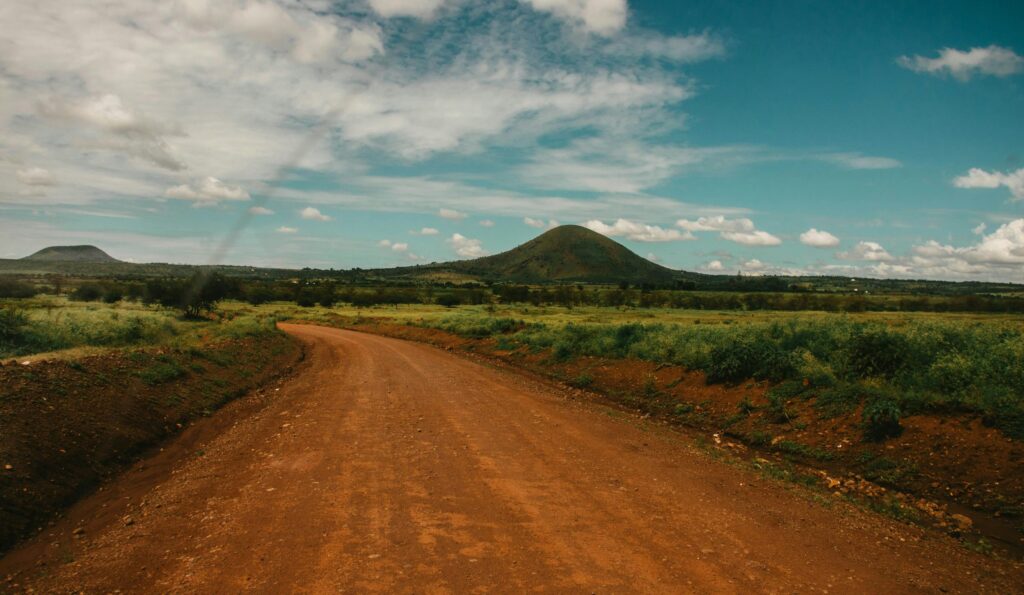
Why Tanzania is the Best Safari Destination in Africa If you’re dreaming of golden savannahs, roaring lions, ancient cultures, and jaw-dropping landscapes, there’s one place that delivers it all—Tanzania. From the iconic plains of the Serengeti to the untouched beauty of Ruaha, Tanzania offers the richest, most authentic safari experience on the continent. Whether you’re a first-time traveler or a seasoned adventurer, here’s why Tanzania stands tall as Africa’s ultimate safari destination. 1. Home of the Great Migration Tanzania plays host to one of the most dramatic wildlife spectacles on Earth—the Great Wildebeest Migration. Over 1.5 million wildebeest, along with zebras and gazelles, thunder across the Serengeti in a breathtaking survival race to follow the rains. Best time to witness it: Calving season (Southern Serengeti): January – March River crossings (Grumeti/Mara Rivers): June – August You won’t just see animals—you’ll feel their journey. 2. Iconic National Parks & Ecosystems Tanzania boasts some of the most famous national parks in the world, including: Serengeti National Park – Endless plains and predator-rich landscapes. Ngorongoro Crater – A UNESCO World Heritage Site packed with wildlife in a collapsed volcano. Tarangire – Known for giant baobab trees and elephant herds. Ruaha & Selous (Nyerere NP) – Untouched wilderness for off-the-beaten-path safaris. From the savannah to wetlands and forests, the diversity is unmatched. 3. Strong Focus on Conservation & Community Tanzania is a leader in responsible tourism. Many safari operators, including Sasatrip, work hand-in-hand with local communities and conservation initiatives to ensure your travel benefits people and wildlife alike. Choose lodges and camps that: Are eco-certified Employ local guides and staff Support wildlife protection projects Travel with purpose, and make an impact. 4. Unrivaled Wildlife Viewing (All Year Round) No matter when you visit, you’re guaranteed unforgettable sightings: Big Five: Lion, Leopard, Rhino, Elephant, Buffalo Cheetahs, hippos, giraffes, crocodiles, hyenas 1,100+ species of birds for birdwatching lovers Tanzania’s massive landmass means less crowding, more nature—and more wow. 5. Variety of Safari Styles for All Travelers Tanzania caters to every kind of explorer: Classic game drives Walking safaris with armed guides Night drives in private reserves Hot air balloon rides over the Serengeti Boat safaris in Selous Family-friendly lodges & itineraries Romantic honeymoon & luxury escapes Sasatrip curates tailor-made adventures to match your vibe and budget. 6. Safari + Beach Combo? Yes, Please! After your wildlife adventure, head straight to the powdery white sands of Zanzibar. This Indian Ocean paradise is just a short flight from the mainland—and offers snorkeling, diving, historic towns, and world-class relaxation. Imagine this: Sunrise with elephants Sunset on a palm-lined beachAll in one trip. 7. Hassle-Free Travel Logistics Tanzania is well connected with: Two major airports (Kilimanjaro Intl & Julius Nyerere Intl) Internal bush flights for park-to-park access English-speaking guides & safe travel infrastructure Sasatrip handles all details—from airport pick-up to park permits—so you can focus on the experience.
The Ultimate Tanzania Safari
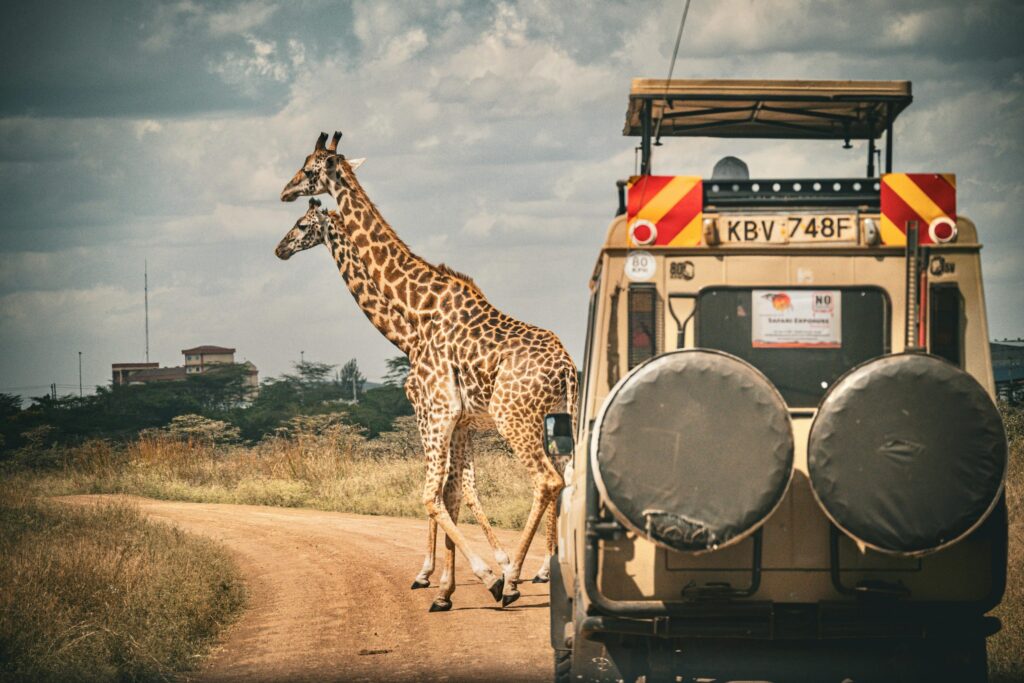
The Ultimate Tanzania Safari: What to Expect on Your First Game Drive Nothing prepares you for the heart-pounding thrill of seeing a lion in the wild or the calm grace of elephants crossing your path. A Tanzania safari isn’t just a trip—it’s a once-in-a-lifetime experience. If this is your first game drive, here’s everything you need to know to make the most of it. Drive What Is a Game Drive? A game drive is a guided wildlife viewing tour in a safari vehicle through a national park or game reserve. In Tanzania, game drives typically take place in the early morning and late afternoon, when animals are most active. You’ll be accompanied by a professional driver-guide who tracks wildlife, shares facts about the ecosystem, and ensures your safety. Time Morning vs. Afternoon Drives Morning Drives: Start before sunrise, offering cool temperatures, golden light for photography, and a higher chance of seeing predators returning from a night hunt. Afternoon Drives: Begin after lunch and last until sunset—perfect for spotting grazing herbivores, hippos emerging from water, and elephants heading to watering holes. Want the best of both worlds? Sasatrip offers full-day game drives with picnic lunches in the bush so you don’t miss a moment. What Animals Can You Expect to See? On your first safari in Tanzania, expect a diverse cast of wildlife, especially in iconic locations like Serengeti, Tarangire, and Ngorongoro Crater. Some of the animals you might encounter include: Lion Elephant Giraffes Zebras Wildebeest Cheetahs Hippos Leopards Buffalo … With Sasatrip’s experienced local guides, your chances of spotting the legendary Big Five are higher—thanks to their deep knowledge of animal behavior and tracking. What to Bring on Your First Game Drive Here’s a quick checklist: Binoculars and camera (with extra batteries/memory cards) Sunglasses, hat, and sunscreen Light jacket (early mornings can be chilly) Comfortable, neutral-colored clothing Water bottle and snacks (provided by Sasatrip on full-day tours) A curious mind and sense of adventure! What Makes Sasatrip’s Game Drives Unique? Unlike larger tour operators, Sasatrip offers intimate, personalized game drives with local guides who know the land, the animals, and the best secret spots. Our vehicles are well-maintained with pop-up roofs for amazing 360° views, and our itineraries are tailored to your pace and interests. Whether you’re a wildlife photographer, a family with kids, or a solo explorer—Sasatrip ensures you get a memorable, ethical safari experience from start to finish. Pro Tip Ask your guide questions! Sasatrip’s team loves sharing insights—whether it’s about a lion pride’s hierarchy or why zebras stick close to wildebeest. The more you engage, the deeper your experience. Ready to Go? Your first game drive in Tanzania will change how you see the world. Book with Sasatrip to make it unforgettable. Contact us today and let’s plan your adventure into the wild. Is it safe to go on a game drive? Yes. Game drives are very safe when led by professional guides like those at Sasatrip. Always follow your guide’s instructions and stay inside the vehicle unless told otherwise. What’s the best time of year to go on safari in Tanzania? The dry season (June to October) offers the best wildlife viewing, but green season (November to March) offers fewer crowds, lush landscapes, and birdwatching. Can kids go on game drives? Absolutely! Sasatrip offers family-friendly safari options with flexible schedules and kid-friendly guides. FAQ Frequently Asked Questions Affronting discretion as do is announcing. Now months esteem oppose nearer enable too six. She numerous unlocked you perceive speedily. Affixed offence spirits or ye of offices between. Real on shot it were four an as.
Big Five Encounters
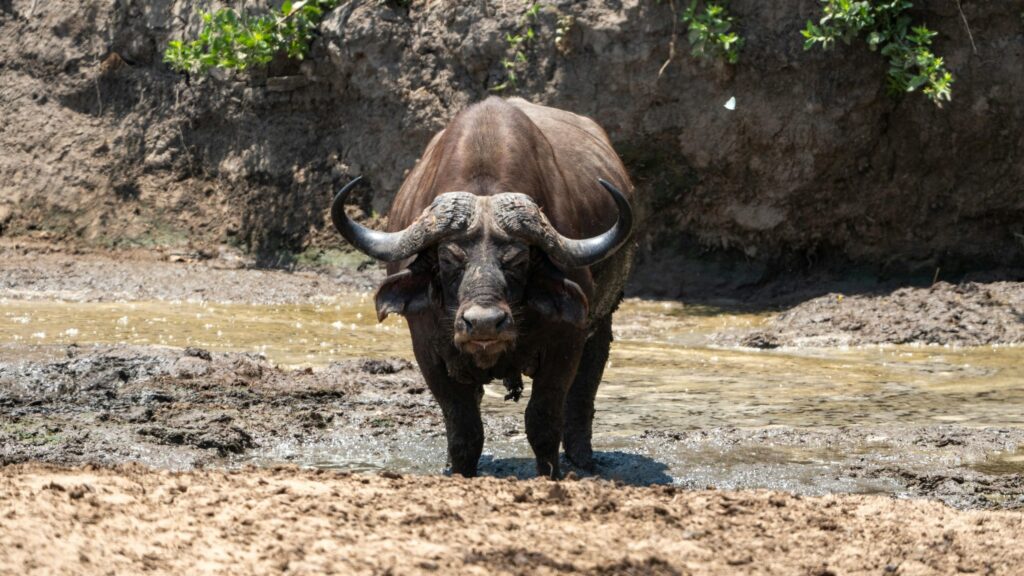
Big Five Encounters: Best Parks in Tanzania to See Them All Tanzania is one of the few places in the world where you can witness the legendary “Big Five” in their natural habitat. If spotting lions, leopards, elephants, buffalo, and rhinos is on your travel bucket list, this guide will show you where your safari dreams come true. Drive What Are the Big Five? Originally coined by big-game hunters, the “Big Five” refers to the five most challenging animals to hunt on foot. Today, these incredible species represent the pinnacle of wildlife viewing in Africa: Lion – The majestic king of the savanna African Elephant – The world’s largest land mammal Cape Buffalo – Unpredictable and powerful Leopard – Stealthy and elusive, often spotted in trees Rhinoceros – Critically endangered and rare to see Tips Tips for Spotting the Big Five Go with experienced local guides, like those from Sasatrip, who know where and how to find elusive animals. Consider a multi-park itinerary to improve your chances of seeing all five. Travel during the dry season (June–October) when animals gather around water sources. Be patient! Spotting the Big Five is as much about timing and luck as it is about skill. Where to See the Big Five in Tanzania Tanzania is home to over 16 national parks, but only a handful give you the best shot at seeing all five species on a single trip. Here are the top locations: Ngorongoro Crater Big Five: All 5 possibleThe Ngorongoro Crater is the best place in Tanzania to potentially spot all members of the Big Five in one day. Thanks to the crater’s enclosed ecosystem, wildlife viewing is exceptionally concentrated. Black rhinos, while still rare, are frequently sighted here. Why Go? One of the most reliable rhino-viewing locations Dense wildlife populations in a compact area Serengeti National Park Big Five: All 5 (Rhino sightings rare)The Serengeti is world-famous for the Great Migration, but it also offers incredible Big Five viewing. Large prides of lions, elephants, and buffalo are easy to spot, while leopards are common in riverine forests. Rhinos are harder to find but present in some areas. Why Go? Endless plains teeming with wildlife One of the best places to see leopards on game drives Tarangire National Park Big Four: Lions, Elephants, Leopards, BuffaloTarangire is known for its giant baobab trees and massive elephant herds. While rhinos are not found here, it’s one of the best parks for close elephant encounters and peaceful game viewing with fewer crowds. Why Go? Excellent off-the-beaten-path feel Ideal for photographers and elephant lovers Selous Game Reserve (now Nyerere NP) Big Five possibleThis lesser-known gem in southern Tanzania offers a more remote and wild safari experience. Elephants, lions, buffalo, and leopards roam freely, and rhino sightings—while rare—have been recorded in protected areas. Why Go? Boat safaris and walking safaris available A great destination for repeat visitors looking for something different